

 604-835-5663
2026
Signs Your Home's Exterior Paint Is Failing Before Peeling Begins
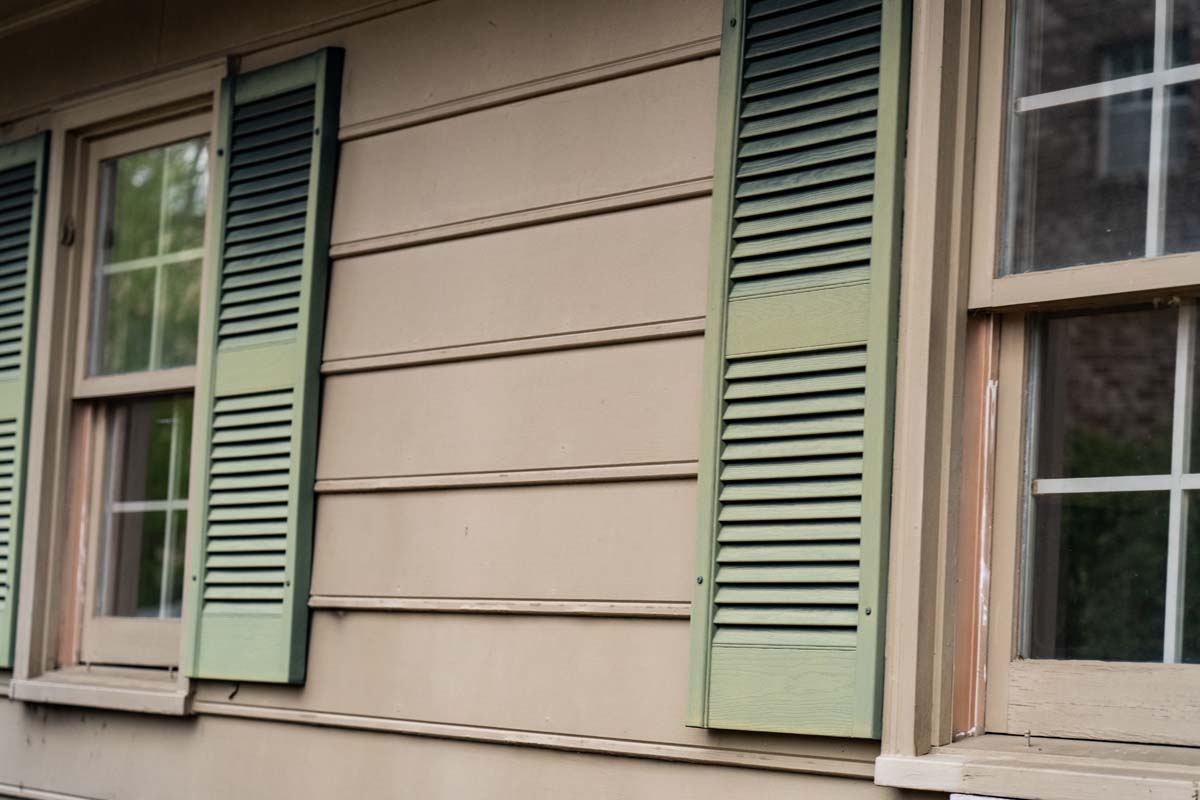
Your home's exterior paint is its first line of defense against the harsh elements of the Pacific Northwest.
While peeling and flaking are obvious indicators that a new paint job is overdue, waiting for these severe symptoms can lead to costly structural damage. Recognizing the subtle, early warning signs of paint failure allows you to address issues proactively, saving you time and money in the long run.
Noticeable Fading and Chalking on Sun-Exposed Walls
One of the earliest and most common signs of paint degradation is fading, particularly on walls that receive direct sunlight. Over time, UV rays break down the chemical bonds in the paint pigment, causing vibrant colours to look washed out and dull. While some fading is natural, a rapid or uneven loss of colour suggests the paint's protective qualities are diminishing.
Accompanying fading is a phenomenon known as chalking. This occurs when the paint binder degrades, leaving a fine, powdery residue on the surface. If you run your hand along the siding and come away with a chalky film, the paint is losing its integrity. This powder not only looks unsightly but also prevents new paint from adhering properly if not addressed.
To effectively monitor for fading and chalking, consider these simple steps:
- Compare the colour of sun-exposed walls to shaded areas, like under the eaves
- Wipe a dark cloth across the siding to check for a powdery residue
- Inspect the areas around windows and doors where UV reflection is highest
- Note any significant colour changes that have occurred over a single season
Addressing chalking early is vital for maintaining your home's curb appeal. If you notice these signs, it might be time to consult a professional for exterior residential painting to restore your home's protective barrier.
The Appearance of Hairline Cracks and Spiderwebbing
Before paint begins to peel in large strips, it often develops tiny, almost imperceptible cracks. These hairline fractures, sometimes referred to as spiderwebbing or alligatoring, are a clear indication that the paint film is losing its elasticity. As your home's siding expands and contracts with temperature changes, brittle paint cannot stretch, resulting in these delicate cracks.
While they may seem harmless at first glance, these tiny fissures are an open invitation for moisture to penetrate the surface. In Coquitlam's damp climate, water seeping behind the paint can quickly lead to wood rot, mold growth, and eventual peeling. Catching these cracks early is crucial for preventing extensive water damage.
When inspecting your home for hairline cracks, pay close attention to these vulnerable areas:
- The joints where different building materials meet, such as siding and trim
- Areas around window frames and door casings where movement is common
- Sections of the exterior that experience the most extreme temperature shifts
- Older layers of paint that may have become brittle over several decades
If you spot spiderwebbing, do not ignore it. Proper preparation, including thorough sanding and the application of a high-quality primer, is necessary to fix the issue before applying a fresh coat of paint.
Bubbling and Blistering on the Surface
Bubbling or blistering paint is a serious warning sign that moisture or heat has compromised the adhesion between the paint and the underlying surface. These raised, fluid-filled or air-filled pockets indicate that the paint has detached from the siding. If left untreated, these blisters will eventually burst, leading to widespread peeling and exposing the bare material beneath.
Blistering often occurs when painting is done under less-than-ideal conditions, such as in direct, hot sunlight or on a damp surface.
However, it can also be a symptom of an underlying moisture problem within the home, such as poor ventilation or a hidden leak. Identifying the root cause of the blistering is essential before attempting any repairs.
To properly assess and address bubbling paint, keep these important points in mind:
- Check if the blisters contain water, which indicates a moisture intrusion issue
- Determine if the bubbling is localized or spread across large sections of the wall
- Inspect the interior walls corresponding to the blistered exterior for signs of dampness
- Ensure that any underlying leaks or ventilation issues are resolved before repainting
Because blistering often points to more complex issues, seeking professional advice is highly recommended. A thorough inspection can determine whether the problem requires simple drywall repairs inside or a more extensive exterior intervention.
Hardened and Cracked Caulking Around Joints
Caulking plays a vital role in sealing the gaps and joints of your home's exterior, preventing water and drafts from entering. Over time, exposure to the elements causes caulking to dry out, harden, and eventually crack or pull away from the surfaces it is meant to seal. When the caulking fails, the surrounding paint is soon to follow.
Failed caulking allows moisture to seep behind the siding and trim, accelerating the deterioration of the paint from the inside out. This hidden moisture can cause the wood to swell, further stressing the paint film and leading to premature failure. Regularly inspecting the condition of your exterior caulking is a critical part of home maintenance.
When evaluating the caulking around your home, look for these specific signs of failure:
- Caulk that feels hard and brittle to the touch rather than flexible and rubbery
- Visible gaps or separation between the caulk and the siding or window frames
- Sections of caulking that are missing entirely or have fallen away
- Discoloration or mold growth on or around the caulked joints
Replacing old, cracked caulking before repainting is non-negotiable. It ensures a watertight seal and provides a stable foundation for the new paint, significantly extending the life of your exterior finish.
Persistent Mildew and Algae Growth
In the damp, shaded areas of your property, you might notice green, black, or brown spots forming on the siding. This is mildew or algae, and while it is a common sight in the Lower Mainland, persistent growth can be a sign that your paint is failing. High-quality exterior paints contain mildewcides that inhibit this growth, but these protective chemicals break down over time.
When mildew and algae take hold, they not only ruin the appearance of your home but can also compromise the paint film. The roots of these organisms can penetrate the porous surface of aging paint, causing it to lift and separate from the siding. Simply washing the surface is often a temporary fix if the paint's protective qualities have diminished.
To manage and assess mildew growth effectively, consider these proactive measures:
- Identify areas of your home that receive little sunlight and remain damp
- Clean the affected areas with a specialized mildew-killing solution
- Observe how quickly the growth returns after a thorough cleaning
- Check for any overhanging branches or dense shrubs that may be trapping moisture
If mildew returns rapidly despite regular cleaning, it is a strong indicator that a new coat of paint with fresh mildewcides is necessary. This is especially true for homes requiring comprehensive strata painting maintenance to uphold community standards.
Taking Action to Protect Your Investment
Do not wait for the paint to fall off your house in strips before taking action. Regular inspections and timely interventions will save you from the stress and expense of major repairs.
If you notice any of these warning signs, consulting with a professional painting contractor can provide you with a clear assessment and a plan to restore your home's protective barrier, ensuring it remains beautiful and secure for years to come.
Level 5 Painting are experienced and dependable interior and exterior, residential and commercial painters based in Surrey, British Columbia. The Level 5 Painting crew performs at the highest industry standards to exceed your expectations and deliver painting projects with phenomenal results.
If you have any questions about this article or would like to talk to us about your next painting project, then please call us at (604) 910-4828.

